Projected Parallels: Promote Processing!
- Feb 6
- 6 min read
For a long time, the story we were told was simple. Foreign nations had the minerals. The United States did not. That story was absorbed by the public, it was efficient, and convenient. It also quietly removed us from the most important part of the equation. The truth is that the United States has critical minerals across many states. What we gave up was not ownership of the earth.
We gave up ownership of the middle. Processing.

Processing is where raw materials become usable intelligence. It is where ore turns into magnets, powders, wafers, batteries, sensors. It is where value concentrates, where expertise deepens, where talent gathers. Mining is extraction. Processing is transformation. And transformation is power.
Over decades, foreign powers made a deliberate choice to dominate this layer. They invested early, subsidized aggressively, accepted environmental and financial costs others avoided, and made processing so affordable that global demand flowed naturally in their direction. During a season of global optimism and economic ignorance, this looked like efficiency, it sounded too easy. Companies saved money. Consumers enjoyed cheaper technology. Investment stayed where processing already existed. It was great for them. It was terrible for long term nation building elsewhere.
This is the stealth war no one taught us to name. No explosions. No headlines. Just supply chains quietly shaping outcomes. When you control processing, you do not need to own every mine. You simply become unavoidable. And when geopolitics shift, that quiet leverage suddenly becomes visible.
What is happening now is not panic. It is correction. Initiatives like the U.S. Strategic Critical Minerals Reserve signal something deeper than stockpiling. They mark a recognition that processing is not just an economic decision. It is a workforce decision. A technology decision. A national security decision. A future decision.
This is where young people should lean forward.
Processing creates jobs that do not look like the factories of the past. These are materials scientists designing separation methods for rare earths. Chemical engineers optimizing battery grade lithium and nickel. Robotics technicians maintaining automated processing lines. Data scientists using AI to model mineral separation, waste reduction, and yield optimization. Software engineers building digital twins of supply chains. Policy analysts and compliance experts translating technology into scalable systems. Logistics specialists moving high value materials safely and efficiently.
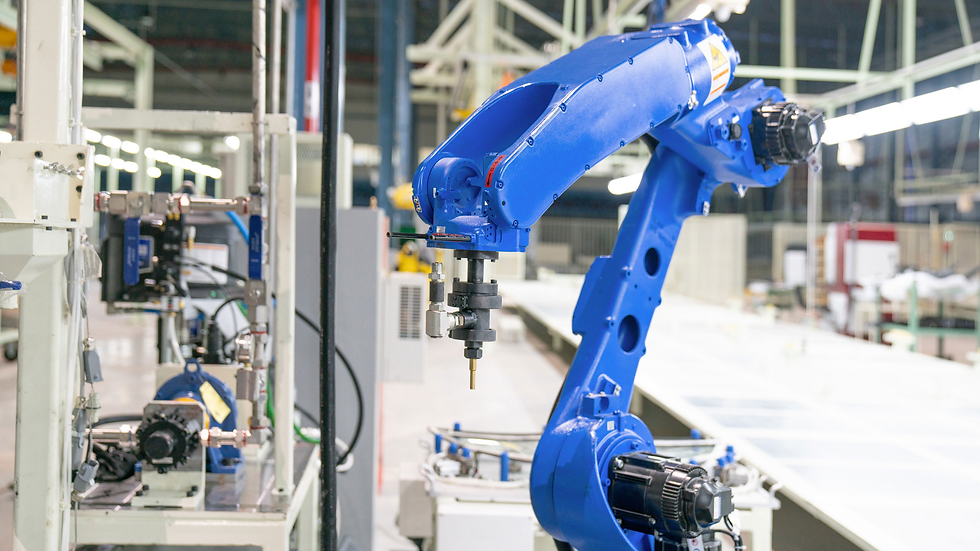
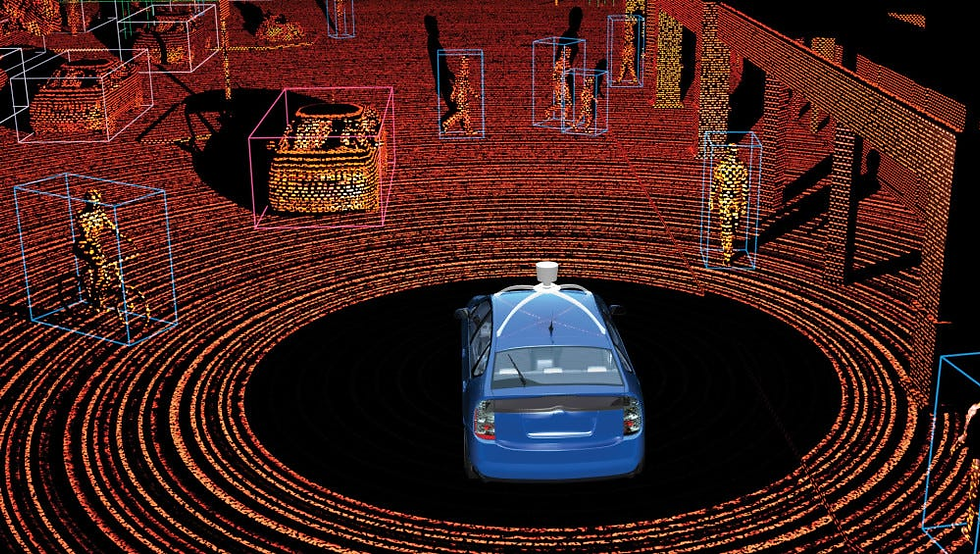
Think about AI. Data centers rely on advanced chips. Chips rely on ultra refined materials. If processing happens elsewhere, so does leverage. Think about autonomous vehicles like those developed by Waymo. Lidar systems, sensors, batteries, and control units all depend on processed critical minerals. Think about robotics. Precision motors, magnets, and control systems do not exist without rare earth processing! Clean energy, quantum computing, aerospace, defense systems, medical imaging, all of it flows through this same bottleneck.
When processing returns, opportunity redistributes.
Not to one state. Not to one company. Across regions. Across disciplines. Across generations.
The same global talent that once followed cheap supply chains now has the freedom to help rebuild resilient ones. The same minds trained in AI, automation, chemistry, and systems thinking are suddenly essential to something bigger than efficiency. They are needed to build capability.
This moment matters because it reframes success. We once optimized for speed and cost. Now we are learning to optimize for durability and sovereignty. We once exported inconvenience. Now we are reclaiming competence.
Promote processing because processing is where knowledge compounds. Processing is where technology meets purpose. Processing is where young people do not just inherit systems. They have the ability to redesign them.
This is not about being against anyone. It is about being for the future.
What makes this moment feel different is that the correction is not happening in just one system. It is happening in parallel. As the nation begins to rethink how it builds, processes, and manufactures, education policy is quietly undergoing its own recalibration.
Through the U.S. Department of Education, more authority and flexibility are moving back to the states, and that matters more than most people realize. When states gain greater control over funding and priorities, that power can finally move closer to the communities that understand their needs best.
At the district level, this creates space for something deeply human and deeply strategic. Committees can form that are not just administrative, but responsive. Groups that look at their region and ask what kind of future their students are actually walking into. Not in theory. In practice. Funding that once felt distant can now be directed toward education paradigms that reflect local industry, local talent, and local opportunity.
What becomes possible is education that is both rigorous and personal. States can approve readiness pathways that align with emerging sectors, and districts can then design programs that meet those standards while still honoring the uniqueness of their region. Partnerships with universities, community colleges, and research institutions ensure that these pathways are academically sound, not watered down.
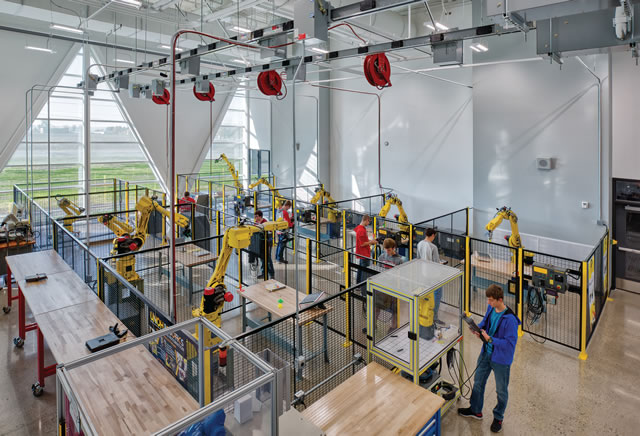
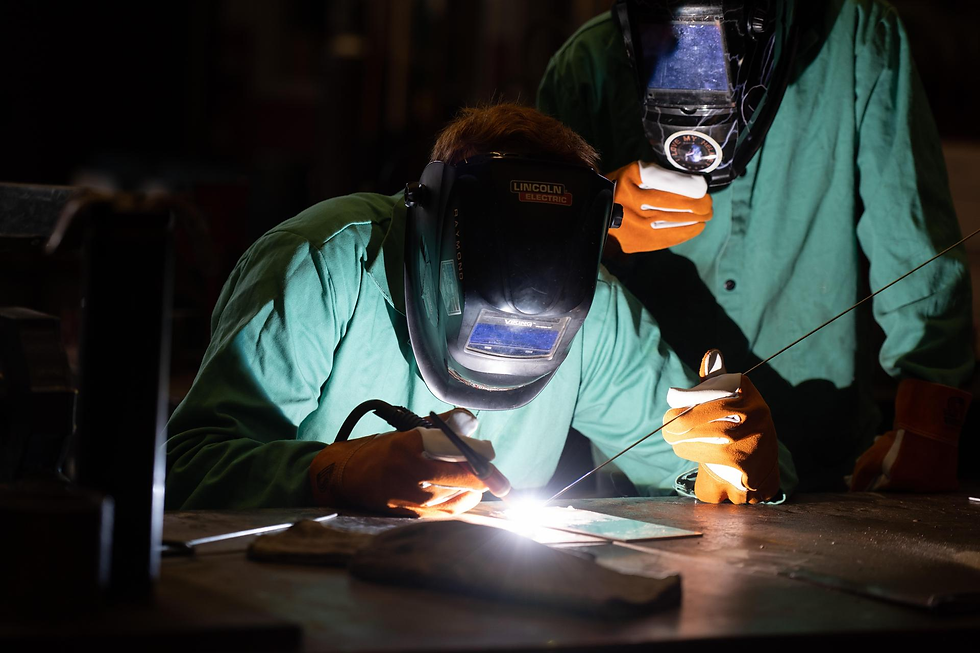
Majors and concentrations can be declared with intention, shaped around real pipelines in automation, advanced manufacturing, materials science, robotics, welding, and processing technologies. When those pathways are clearly defined, funding can finally be used with precision to support them.
Cleveland offers a powerful example of what this looks like when done with courage. Through the Building Brighter Futures campaign, the Cleveland Metropolitan School District has taken a bold approach by consolidating schools so more campuses meet the state’s funding quorum. This is not about shrinking possibility. It is about expanding it.
Currently, 11% of state funding for Education in Cleveland comes from the federal government. If well positioned with State Approved* Pathways, Cleveland may have the leverage to re-position itself for verified funding. The State Approved pathways is key here, as is the Department of Education providing more authority to State legislatures. Ohio has intentionally structured its education system so that career and technical education and career pathways are tied directly to funding, graduation requirements, and workforce readiness. This isn't just policy. It is part of the state’s Fair School Funding Plan (HB 1), which re-balanced how money flows to school districts and strengthened funding for programs like CTE that prepare students for real career. Schools receive additional state credit when students earn these credentials, and those credentials help students show competency and readiness before they graduate.
Ohio also supports tools like the Ohio In-Demand Jobs and CTE Pathways Alignment Map, which lets educators, students, and families see where job growth intersects with available coursework this ensures that all decisions are informed and strategic.
When schools meet funding thresholds, they unlock access to innovation, resources, and sustained support.
Consolidation becomes a strategy, not a sacrifice.
Inside that structure, something remarkable is happening. High school students are no longer just graduating. They are emerging with concentrations. Automation. Welding. Construction technology. Health sciences. Information technology. Skilled trades. Students begin to see their education as directional, as something that leads somewhere tangible.
Learning stops being abstract and starts becoming embodied. They can trace a line from the classroom to a career, from curiosity to contribution.
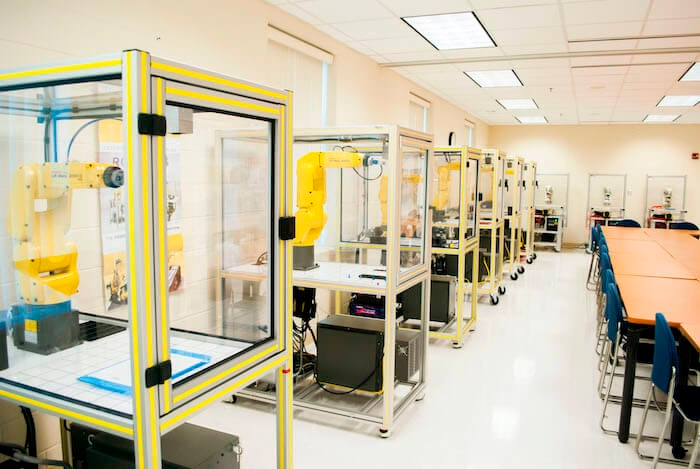
In districts where automation and welding are already central, education reflects the economy that surrounds it. In regions connected to critical minerals, processing, or manufacturing supply chains, pathways can be shaped to meet that demand early. This is the beauty of education being handled at the state level. It allows regional identity to inform readiness. It allows place to matter again.
The impact of this kind of alignment is generational. When K through 8 programs begin cultivating problem solving, scientific thinking, and technical curiosity with a national focus on rebuilding capacity, the pipeline becomes continuous. Students do not stumble into opportunity at the end of high school. They are formed for it over time. They grow with an awareness that their skills matter and that their region has a role to play in something larger.
This is how rebuilding actually happens. Quietly. Thoughtfully. By aligning education with industry, policy with purpose, and young people with pathways that honor both their talent and their context.
This is not just about workforce development. It is about stewardship.....About building systems that allow the next generation to inherit something whole, functional, and worthy of their brilliance.
What an amazing time for US reinvention, reinvestment and strategic partnerships.


Comments